

Getting injured at work can turn life upside down—one moment you are doing your job and in the next moment you are injured. An injury can make your life complicated. You will have to deal with problems like lost income, medical bills, hospital visits and stress about the future. The next step is to file a claim through WorkSafe Victoria with the assistance of work injury lawyer. This workers’ compensation system can help you get the compensation that you need for complete recovery. But you might also be thinking- can I sue my employer for workplace injury in Australia? The answer is not always simple.
In many cases, workers’ compensation replaces the need for a lawsuit. However, there are situations where injured workers may still pursue legal action if the employer’s negligence caused the injury. Understanding when you can sue your employer is essential because the compensation available through a lawsuit can be significantly higher than standard WorkCover payments. And sometimes: You may be entitled to more than you think.
How Workers’ Compensation Works in Victoria?

The Victorian WorkCover system is designed to provide support to workers injured on the job. The benefits are:
- Weekly wage payments
- Medical expenses
- Rehabilitation costs
- Lump sum impairment compensation
With these financial benefits, workers can recover quickly and they can also return to work easily. But workers who have been seriously injured might not receive full financial help under workers’ compensation. This includes severe pain or long-term loss of earning capacity where the workers are not fully compensated under the standard benefits. This is the reason why workers are always confused regarding do I need a lawyer to sue my employer?
When You Cannot Sue Your Employer
In most Common law claim workplace injury cases, workers cannot directly sue their employer. Workers’ compensation laws exist specifically to prevent employees from needing to file lawsuits after an injury. This system is sometimes called a “no-fault scheme.” This means compensation may still be available even if no one was directly responsible for the accident. Injuries that are not covered are:
- Slipping on a wet floor
- Lifting injuries
- Repetitive strain injuries
- Accidents caused by co-workers
In these cases, the worker typically receives compensation through WorkCover rather than through a lawsuit.
When You May Be Able to Sue Your Employer
While lawsuits are not always possible, there are situations where injured workers can pursue legal action. This usually happens when the injury was caused by injured at work employer negligence. Thus, it means that the employer failed to provide a reasonably safe workplace. These injuries are caused by:
- Unsafe machinery
- Lack of safety training
- Missing protective equipment
- Dangerous work environments
- Ignoring known hazards
If negligence can be proven, a worker may be able to pursue common law damages. Common law claims can allow compensation for:
- Pain and suffering
- Past income loss
- Future income loss
https://workplaceinjury.au/These damages can significantly increase total compensation and thus you will need to hire experienced workplace injury lawyers.
What Is Employer Negligence?

Employer negligence occurs when a workplace fails to meet safety standards that protect workers. Australian employers should create a safe working environment for their employees. The common negligence is:
- Failing to maintain equipment
- Ignoring safety complaints
- Inadequate supervision
- Lack of training
- Unsafe work procedures
In any of these cases, the employers will be liable to face legal action. Hence, when the employer breaches their duty, the workers need to prove negligence with strong evidence. But legal guidance is important for pursuing legal claims, and this is the reason why hiring the best work injury lawyers Brisbane becomes important.
The Different Types of Workplace Injury Lawsuits
These are the serious workplace injuries that lead to an employer’s liability.
Serious physical injuries
The most common types of physical injuries are:
- Spinal injuries
- Traumatic brain injuries
- Amputations
- Permanent disabilities
The long-term earning capacity of the workers is affected after these kinds of injuries.
Machinery accidents
Workers might face serious harm due to poorly maintained or faulty machinery. In this case, if safety procedures were ignored, negligence may be established.
Construction site accidents
Due to the high-risk work environments at the construction sites, the employers should follow strict safety rules. But failure to follow safety regulations can lead to legal liability.
Vehicle accidents at work
Workers who drive for their jobs may be injured in road accidents caused by unsafe work practices.
Psychological Injury Claims
Workplace injuries are not always physical. Mental health injuries are increasingly recognised under Australian workers’ compensation law. The most common types of psychological injury lawsuit Australia are:
- Psychological injury at work compensation
- Stress leave workers’ compensation Australia
- Workplace bullying compensation claim
- PTSD workers compensation claim
Psychological injuries can also arise from:
- Toxic work culture
- Extreme workloads
- Ongoing harassments
- Traumatic workplace incidents
In some cases, the worker may need extended time away from work. Psychological injuries can affect earning capacity just as much as physical injuries. However, these claims are sometimes underestimated by insurers. Once again, this highlights an important reality that insurers often undervalue- claims.
The Difference between WorkCover and Suing Your Employer
Every injured worker should differentiate between these two to choose a better option.
| Type of Claim | What It Covers |
| Workers compensation | Medical expenses, wage payments, rehabilitation |
| common law claim | Pain and suffering, long-term income loss |
But a lawsuit may provide additional compensation when negligence is involved. But many serious injury cases involve both processes and for this you need the guidance of injured at work lawyer.
How much can I sue my Employer For?
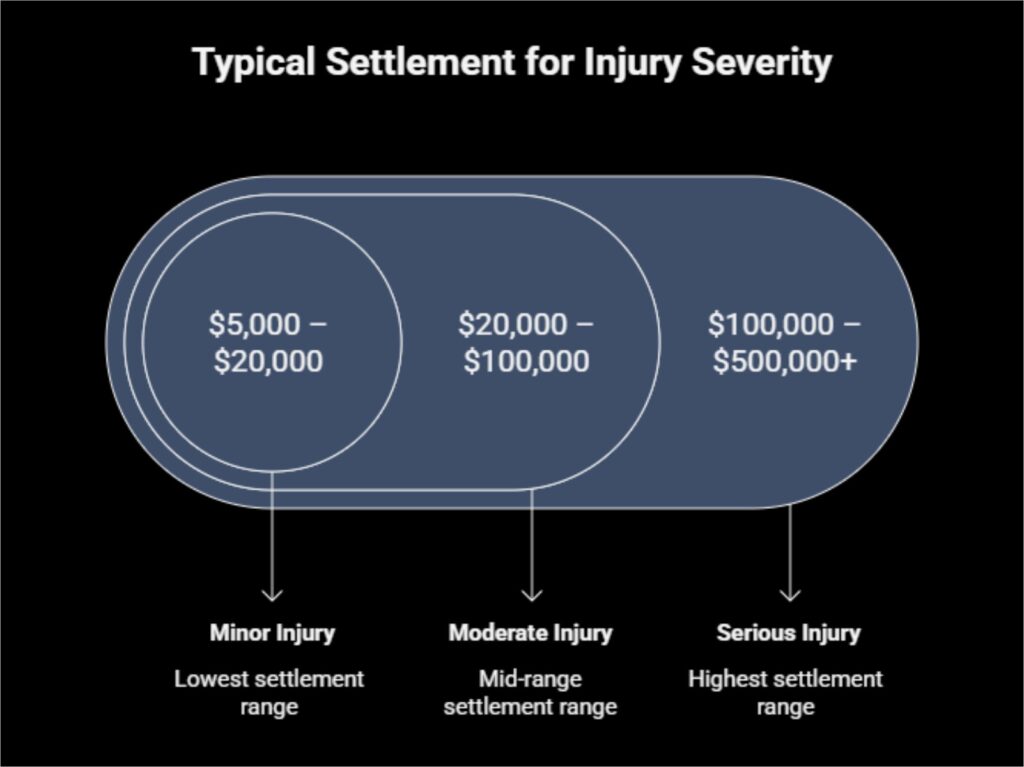
Many injured workers search online for the average workers’ compensation payout in Australia, as it helps them understand whether their claim value is reasonable or not. Typical compensation ranges include:
| Injury Severity | Typical Settlement |
| Minor injury | $5,000 – $20,000 |
| Moderate injury | $20,000 – $100,000 |
| Serious injury | $100,000 – $500,000+ |
Lawsuits based on negligence have higher compensation than other types of lawsuits. This is particularly true when the injury prevents someone from returning to their previous career. Thus you can sue employer for workplace injury in these cases.
The Financial Impact of Serious Workplace Injuries

A serious workplace injury can affect income for many years. A worker in a high-paying job might be unable to perform physical work after being injured at work. He will have a low-paying job after the injury. Over the years, the financial impact could be very high. You might be wondering can i sue for unsafe working conditions. This is the reason why legal claims often focus heavily on future economic loss. If this loss is not included in compensation, the worker may face financial hardship later. They might be wondering can I sue my employer for a workplace injury in Brisbane?
Not every workplace injury leads to legal action. However, certain situations suggest legal advice may be helpful. The instances when you need legal assistance are:
- Serious injuries affecting long-term work capacity
- Employer negligence
- Unsafe work conditions
- Workplace bullying
- Rejected or undervalued claims
- Disputes with insurers
Many injured workers consult the best workers’ compensation lawyers Melbourne to understand their rights before accepting settlements.
Can I Negotiate a WorkCover Settlement?
Injured workers often ask: Can I negotiate WorkCover settlement? Yes, settlements can often be negotiated. Lawyers may review medical evidence, employment records, and economic loss projections to determine whether the settlement offer is fair. If additional evidence is presented, insurers may reconsider their initial offer. Remember: You don’t have to accept the first offer but also pay attention to the notice of claim workplace injury
What to Do After a Workplace Injury
The best way to strengthen your claim after being injured at work is to follow these steps. These steps include:
- Report the injury to your employer immediately
- Seek medical treatment
- Keep records of medical appointments and expenses
- Lodge a WorkCover claim
- Document workplace conditions that caused the injury
- Seek legal advice if the injury is serious
Protect your legal rights and improve the chances of receiving fair compensation by hiring workplace injury lawyer Brisbane.
FAQ
Why Legal Advice Matters
Workplace injury law can be complex. Employers and insurance companies always have a legal team to represent their interests. An experienced work injury lawyer will explain your rights and options after the injury. With legal assistance and guidance, you will discover that your claim involves more compensation than you initially expected. Reach out to Workplace Injury Lawyers to get legal guidance for your case!